
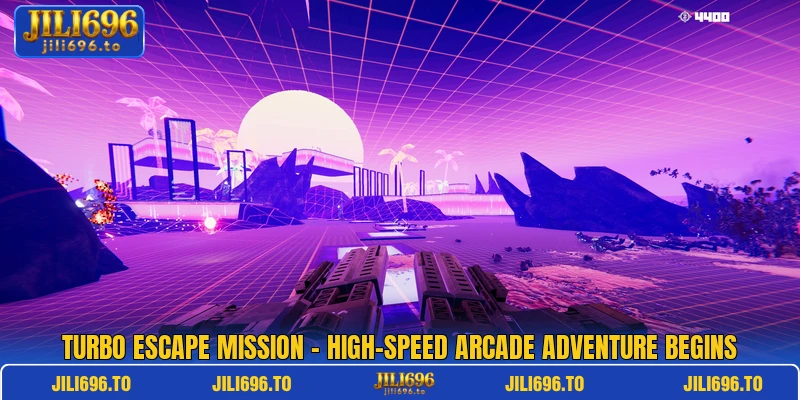
Turbo Escape Mission brings a direct chase setup where players follow mission steps, react to rounds, and understand each screen before staking PHP or USD for play. This guide is written for Philippines members and players using JILI696, helping them read rules, rooms, and practical controls with a clear purpose.
Overview of Turbo Escape Mission mechanics for players
Turbo Escape Mission is built around short rounds where a chase theme moves through simple mission stages. Players watch the screen, choose a stake, then wait for the round result. The main appeal comes from quick decisions, clear timing, and easy visual cues.
Each session starts with a lobby, a room choice, and a stake panel shown in PHP or USD. JILI696 presents the game with buttons that support basic entry, betting, and result review. Members should read each displayed value before pressing any round command.
Turbo Escape Mission uses mission progress to make every spin or action feel connected. A round may show targets, escape paths, multipliers, or score changes after a result. Players get the best reading when they slow down and follow each screen layer.
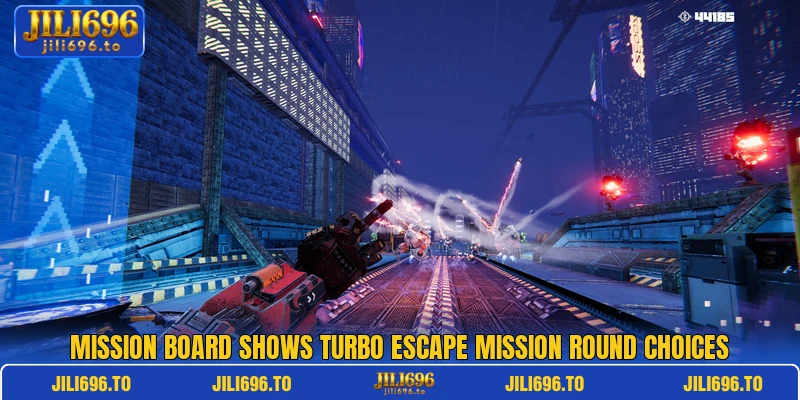
How players read instructions and mission screens
Turbo Escape Mission becomes easier when players understand symbols before choosing any room. The rule page should be checked first because small labels can change round meaning.
Turbo Escape Mission stage layout
The main layout usually places the mission area in the center. Side panels show stake levels, recent results, and available game controls. Players should match each button with its purpose before joining a paid round.
Round timing matters because fast screens can make choices feel rushed. A short pause before each action helps members notice changing targets. This habit makes the display easier to read during repeated play.
The result area shows whether a mission advanced, failed, or triggered an added reward. Players can compare current results with the previous history panel. That comparison gives a clearer view of pace without guessing blindly.
Basic screen and symbols
Most game screens use icons to show missions, routes, timers, and bonus triggers. Players should learn these symbols during low-pressure viewing before placing larger stakes. A symbol list, when available, should be read beside the paytable.
Some icons may look similar, yet they can carry different round effects. A timer may signal limited action, while a badge may mark a task reward. Careful reading prevents confusion between mission progress and simple decoration.
Control buttons usually cover start, stake change, turbo speed, and room exit. Players should test every visible control with the smallest allowed amount. This makes the game flow clearer before any bigger PHP or USD choice.
Mission targets and rewards
Mission targets explain what the round asks players to follow. Turbo Escape Mission may present paths, escape steps, or target icons during play. The reward shown beside a task should be checked before the round starts.
Rewards can appear as score changes, multipliers, or direct credit results. Players should not assume every mission target has the same value. Reading each table keeps the game understandable across different rooms.
Recent results help players see how the mission screen reports outcomes. The display may list wins, misses, and bonus events in simple order. This section is useful for checking completed rounds after quick action.
View more: Pixel Strike Arena – Retro Battles With Modern Gameplay
Betting choices in PHP
Stake choices often appear as preset amounts for faster entry. Players in the Philippines may see PHP values, while some rooms also show USD. The selected amount should always match the room level before starting.
A higher stake can change the size of possible rewards and losses. Members should compare stake buttons with the displayed mission table. Clear checking helps avoid pressing a value meant for another room.
Some rooms may limit minimum and maximum entries by account or session. Players should read those limits before expecting every amount to work. When a button is inactive, the room rule usually explains why.
Useful play strategies for better round choices
Good play starts with reading the mission screen and checking every active button. Turbo Escape Mission rewards attention to layout, timing, and room details more than random tapping.
Start with small test rounds
Small test rounds help players learn timing without pressure from large values. A low PHP amount can show how missions move across the screen. This first view is useful because live rounds feel different from static rules.
Players should notice how quickly results appear after pressing start. Some rounds finish fast, while others add a short mission animation. Knowing that rhythm makes later decisions easier during busy sessions.
A test round also shows whether sound, speed, and display settings feel comfortable. Members can adjust those options before entering a longer play period. Simple setup checks make the screen easier to follow.
Watch tasks before betting
Tasks should be read completely before any stake button is touched. Turbo Escape Mission can show mission goals that change between rooms or rounds. Missing a small instruction may lead to a choice that feels unclear later.
Players should look at target icons, timer notes, and reward labels together. These items explain what the round is asking and what result matters. Reading them as one group reduces confusion during fast sequences.
It also helps to review the last few outcomes before starting again. A history strip can show how the game records success and misses. That view supports better reading of the next mission board.
Use room changes wisely
Room changes should be made for clearer limits, pacing, or stake comfort. A room with smaller values may suit players still learning the display. Another room may offer faster action, but it can feel harder to read.
Players should check the room title, entry range, and available stake buttons. Those details explain what kind of session the area supports. A mismatch between room level and selected stake can cause avoidable mistakes.
Switching rooms in Turbo Escape Mission gives members a fresh look at rules and screen behavior. The layout may stay similar, while targets or reward tables can differ. Careful comparison helps players understand each room before continuing.
View more Category: Arcade
Conclusion
Turbo Escape Mission gives players a focused chase game with clear missions, quick rounds, and practical screens. The keyword matters because members want direct details before playing through JILI696. Download the app, enter the game, register carefully, and may every mission bring better luck.